

Protecting Forage Fish Is a Conservation Home Run
The Fishing Wire Industry News
by Captain Todd Redmond
Big League Charters
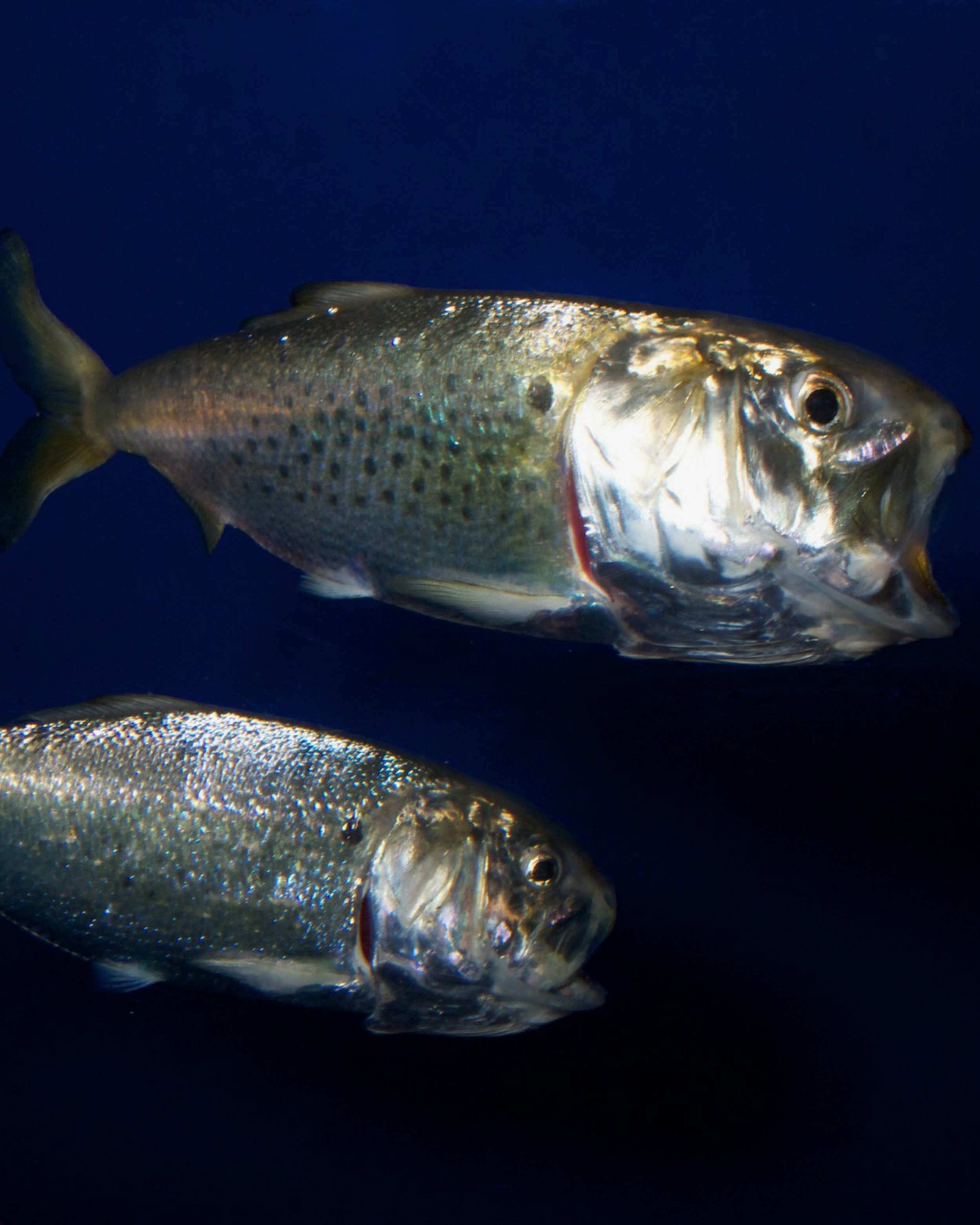
By August, most local fishing in the Tampa Bay area shifts to inshore species that don’t migrate long distances and to bottom fishing offshore. That’s because most of the migratory fish, the “coastal pelagic” species like tarpon, Spanish mackerel, and tripletail have gone north along the Gulf Coast toward the mouth of the Mississippi River, an area that’s making the same fatal mistake that fishery managers permitted in the Tampa Bay area until the mid 1980s. They’re allowing industrial-scale seine netters to wipe out menhaden, a.k.a. pogies or bunker, and other forage fish that form the foundation of the marine foodweb. These small fish sustain most predator fish, birds such as ospreys and pelicans, and marine mammals, whether migratory or non-migratory.
Right now, two foreign-controlled companies, Omega Protein and Daybrook Fisheries, are in the process of harvesting about 500,000 metric tons of menhaden, more than a billion fish, primarily from Louisiana waters, with the rest coming from Mississippi waters. Those are the only two states on the Gulf of America that can’t seem to learn their lessons about the importance of keeping big schools of bait in the water. Florida banned industrial-scale netting thirty years ago, in 1994.
While these foreign-controlled boats vacuum up this resource in the north-central Gulf, the eastern Gulf sub-population of tarpon — the fish that Florida charter captains like me rely upon from Key West to Pensacola — visit that area to get the nutrition they need for their offshore spawning migration and their return run south. Menhaden are also a major reason why tripletail spawn in the summer off Mississippi in droves, and why the king mackerel fleets trailer their boats to Cajun country this time of the year. Menhaden matter for offshore species too, including yellowfin, blackfin, and bluefin tuna, and even swordfish.
While everyone else in the fishing industry deals with strict limits and reporting requirements, the Gulf menhaden fishery is virtually unregulated. The Gulf States Marine Fisheries Commission (GSMFC) lacks any regulatory authority over menhaden fishing and there is no limit on how many menhaden can be harvested by these foreign-controlled operations.
Shockingly, the State of Louisiana just infuriated local, diverse fishing interests concerned about another horrifying aspect of industrial nets. Louisiana shrunk a measly half-mile buffer zone to a quarter mile from shore. The half-mile buffer, already inadequate to the task, was designed to protect millions of other important predator fish species, like tarpon, from being killed as bycatch in those giant seines.
The situation could get even worse. More industrial fishing vessels, their net boats, and spotter planes may be headed toward the north-central Gulf’s vulnerable menhaden schools. Right now, in the Mid-Atlantic region, another fishery dominated by the Omega Protein, foreign-owned fleet, the fleet owned by Cooke Seafood, is struggling to find enough menhaden worth the diesel to track down. They’ve fished themselves, along with almost every honest fisherman, out of business. Word on the docks is that they plan to continue serial overfishing in the Gulf when the coastal Atlantic, “dries up.”
It’s mind-boggling that there’s no federal backstop to prevent or reverse this travesty of serial overfishing. Back in 2007, when Congress last reauthorized the Magnuson-Stevens Fisheries Conservation & Management Act, Congress failed to protect the small “forage” fish that provide calories for the predator species that fishermen target. That was a bush-league whiff on Congress’s part. You can limit fishermen all you want, but the stocks of prized predator species won’t survive without enough to eat.
President Trump and Congress must act by permanently closing these reduction fisheries, which primarily sell ground up menhaden to Chinese aquaculture farms, further undercutting American fishing and aquaculture interests. Only three states allow reduction fishing with giant seines, Louisiana, Mississippi, and Virginia. Yet because of fish and wildlife migrations, every state from Texas to Maine depends upon healthy menhaden stocks that these offending states decimate.
For fishermen in the Gulf, it’s like playing a baseball game without umpires. In the Atlantic, where the Atlantic States Marine Fisheries Commission (ASFMC) is supposed to regulate the fishery sustainably, it’s like trying to throw strikes when the home plate umpire has a bet against you on the game.
It’s high time that the U.S. stand out as a true global leader in fisheries management by ending industrial-scale fishing on the forage base, and legislating protections for the likes of menhaden, sardines and herring. In fact, President Trump can knock one out of the political park right now and prevent further tragedy through an executive order protecting forage fish from industrial exploitation.
Capt. Todd Redmond, a former Major League pitcher, owns and operates Big League Charters, a St. Petersburg-based inshore and offshore guide service. He volunteers for the Coastal Conservation Association and other advocacy groups.