Warning Signs
Virginia’s Middle Peninsula feels different this spring — and not in a good way.
Recently, I watched an eagle feeding on roadkill along the highway. Days later, I checked osprey nests that should have been active this time of year. They were empty. Anglers across the region are also reporting slow striped bass and shad fishing.
These are warning signs.
For years, industrial mid-water trawlers depleted river herring and American shad populations through heavy bycatch. Those spring fish runs once fueled the Chesapeake Bay ecosystem, feeding everything from striped bass to ospreys and eagles. Now, those runs are shadows of what they once were. Forcing eagles to scrounge for scraps when the rivers should be giving them all they need.
Simultaneously, Virginia continues allowing industrial-scale menhaden harvests in Chesapeake waters. Menhaden are the foundation of the food chain, feeding fish, birds, dolphins and other wildlife. Yet, massive reduction fishing operations remove them by the millions for fish meal and oil.
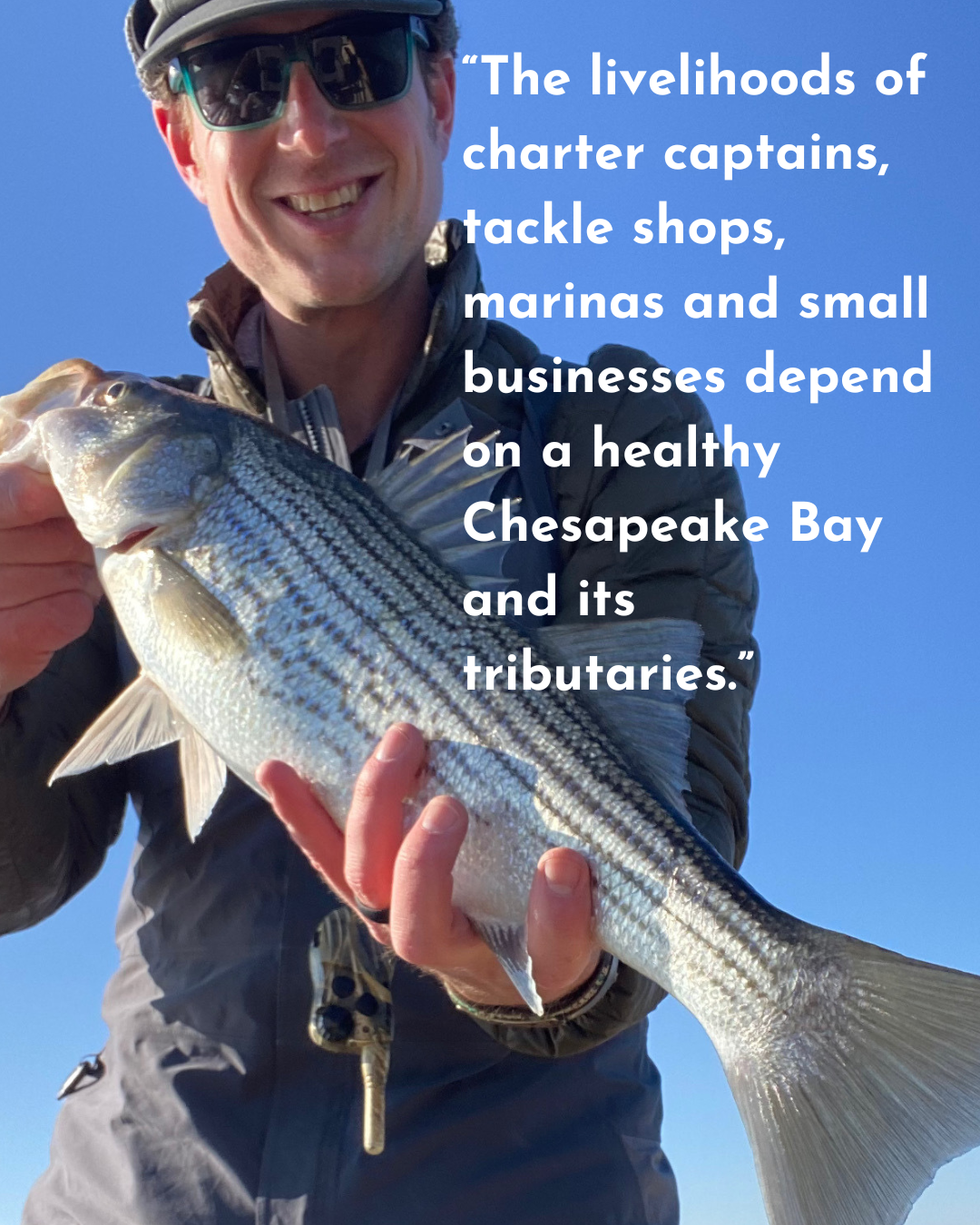
The livelihoods of charter captains, tackle shops, marinas and small businesses depend on a healthy Chesapeake Bay and its tributaries.
As a lifelong fisherman and now a father, I worry about what future generations will inherit. Will they still see ospreys on nests and rivers alive with fish each spring? Or will we further diminish the Chesapeake’s historic bounty?
Virginia must end industrial-scale fishing before the damage becomes permanent.
Remick Smothers, Williamsburg